
Ensuring Quality and Freshness at Sea
The maritime industry relies on efficient food storage and preservation to sustain crews during long voyages. Frozen items play a crucial role in maintaining a consistent food supply, ensuring that sailors and passengers receive high-quality, nutritious meals even in the most remote waters. Proper handling, storage, and transportation of frozen goods are essential for food safety and operational efficiency.
Importance of Frozen Items on Ships
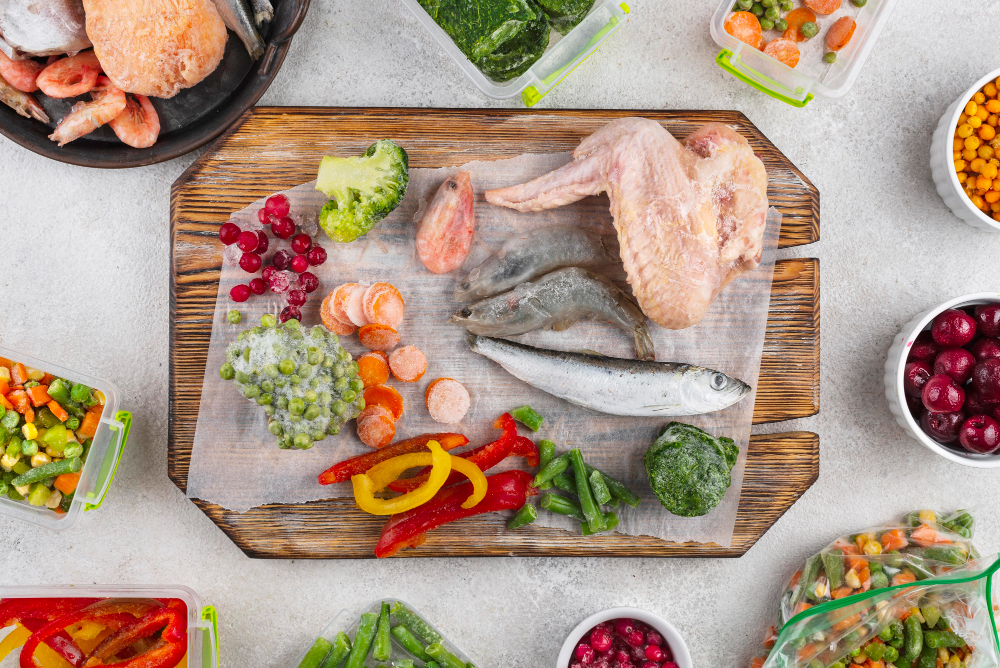
Ships often embark on extended journeys where fresh food sources are limited. Frozen items provide a reliable solution, offering longer shelf life while preserving taste and nutritional value. Whether it’s seafood, meats, vegetables, or dairy products, frozen provisions help maintain a balanced diet for the crew.
Types of Frozen Items Stored on Ships
- Meat and Poultry: Beef, chicken, pork, and lamb for protein-rich meals.
- Seafood: Fish, shrimp, squid, and shellfish to cater to diverse culinary preferences.
- Vegetables and Fruits: Frozen greens, berries, and mixed vegetables for essential vitamins.
- Dairy Products: Butter, cheese, and frozen milk substitutes for extended use.
- Ready-to-Eat Meals: Pre-cooked and frozen meals for convenience during busy schedules.
- Baked Goods and Desserts: Frozen bread, pastries, and ice creams for variety in diet.
Best Practices for Storing Frozen Items on Ships
To maintain quality and prevent food spoilage, ships follow strict guidelines for frozen storage:
- Temperature Control: Freezers should be maintained at -18°C (0°F) or lower to prevent bacterial growth.
- Proper Packaging: Vacuum-sealed and airtight containers help avoid freezer burn and contamination.
- Inventory Management: Organizing stock by expiration date ensures first-in, first-out (FIFO) usage.
- Regular Maintenance of Freezing Units: Routine checks and servicing of refrigeration equipment prevent unexpected failures.
- Backup Power Supply: Emergency generators ensure continuous freezing in case of power disruptions.
Challenges in Storing Frozen Items at Sea
Managing frozen provisions on ships comes with its own set of challenges:
- Limited Storage Space: Efficient organization is required to maximize freezer capacity.
- Power Dependence: Continuous electricity supply is crucial for refrigeration units.
- Temperature Fluctuations: Frequent door openings and external temperatures can impact storage conditions.
- Logistics and Supply Chain Issues: Replenishing frozen stocks in remote locations requires well-planned logistics.
Innovations in Ship Freezing Technology
Advancements in freezing technology have enhanced food storage efficiency on ships:
- Blast Freezing: Rapid freezing technique to retain food freshness and texture.
- Smart Monitoring Systems: IoT-enabled temperature sensors provide real-time alerts for fluctuations.
- Eco-Friendly Refrigeration: Use of low-emission refrigerants to reduce environmental impact.